









It’s difficult to turn on the news or go online without running across some kind of story about the problems with the environment. Whether it’s global warming, solid waste, or groundwater pollution, it seems the environment is on everybody’s mind. The American west is a center of the conversation, with concerns about rapid development
With all that information coming to you, there’s likely to be a tipping point at which you want to step up and do more yourself. It can start with what you do at home, and if you have a home-based business, it can expand to include that too.
There’s nobody with a zero carbon footprint, but the harder we work and the more attentive we are, the better we can do. What’s great about ecological changes in the way we do things is that a single change can make an impact for decades to come.
So as you think about how to reduce the environmental impact of your home and your home business, think about some of these strategies.
Energy Sources
We generally don’t think a lot about electricity. We plug something in, it gets power, we do what we need to do. Many of us don’t even think of the ultimate fuel source and how we might change it.
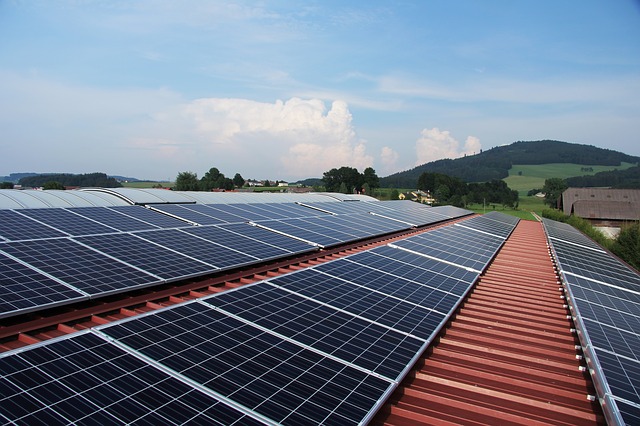
It’s time to view that differently. In terms of solar power Utah is a great fit. The state is clear and sunny many days of the year, giving lots of opportunities for the sun to reach solar panels and generate electricity. With the state’s distance from coal sources and the constant struggle over the use of water for all purposes, solar energy is a great fit here.
It doesn’t take a multi-million dollar investment. Simple home units are quite affordable, and they can power your home business at the same time they power your house.
Highway Efficiency
One big area where almost anyone can find a way to improve is in their driving habits, and this is very true of businesses. When your enterprise is home-based, you probably make the occasional delivery or at least frequent trips to the post office or a shipping site. You may not think anything of it, and you might even welcome those brief breaks from the routine.
However, they may be adding up more than you realize. Even a short daily trip of two miles each way amounts to about 1,600 miles per year, which can mean anywhere from 70 to 100 gallons of gas, depending on your vehicle. Obviously, the actual total will vary dramatically from zero for a completely electric car to 150+ for a huge SUV.
Find a way to streamline that. Saving that single trip per day–as an average, not necessarily every calendar day–can build quickly to a money-saving footprint reduction.
Beyond Smart Thermostats
Everybody has heard of programmable and smart thermostats by now, and with the fluctuations in temperature seen in much of the country, they are a great fit. But we can go beyond that.
The sun is both enemy and friend, so excluding it when it’s a problem and admitting it when it’s a benefit is key to cutting energy costs. Invest in some good window blinds for all areas of the home, and use them wisely. If your business is in the basement, keep the upstairs dark during the day, and reverse it after work.
And stay current. The field of environmental technology is growing in overdrive, so keep your eyes open for new opportunities to save. Stay in tune with agencies like the Governor’s Office of Energy Development so that you can be aware of what opportunities and incentives could be on the way.
Your home and your business are the two most common ways that you consume energy. When your business is in your home, the opportunity to save on both with a single step is obvious. Whether you spend a dollar less or earn a dollar more, the impact is the same, and going greener can do that at home and at work.

